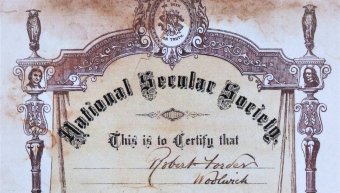
Our story began in 1866 when a large number of secularist groups from around the UK came together to strengthen their campaigns. Their leader was Charles Bradlaugh.
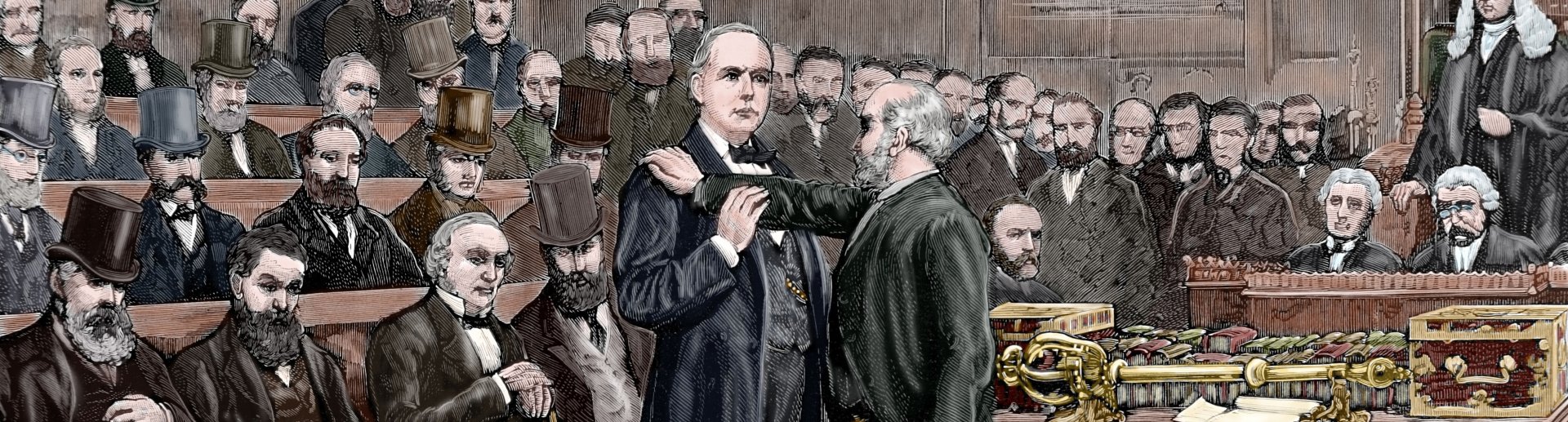
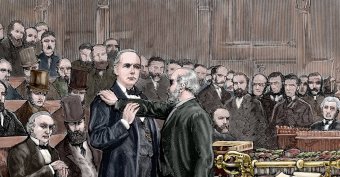
Bradlaugh went on to be elected MP for Northampton in 1880. As an atheist Bradlaugh refused to swear the oath of allegiance required for MPs to take their seat in the House of Commons. He sought a compromise by requesting to make an affirmation instead, but the House refused. This situation was only resolved in 1886 when the Speaker finally allowed Bradlaugh to take the oath. Bradlaugh's Oaths Act 1888 later allowed MPs to make an affirmation instead of an oath.
Since those early days the National Secular Society has pioneered many important social reforms and society has changed a lot.
For centuries, the same religion-based laws that forbade entry for the nonreligious into parliament also banned abortion, divorce, contraception, homosexuality, blasphemy and even cremation. Those laws have now been dismantled; human rights and equality for minorities are broadly accepted and protected by law.
In the struggles to bring about these reforms, the NSS has always played a prominent role and sometimes a decisive one.
To mark our 150th anniversary in 2016 the National Secular Society commissioned a portrait bust of Charles Bradlaugh which is now on display in the Palace of Westminster as part of the Parliamentary Art Collection. We also produced an anniversary brochure giving a potted history of our first 150 years.
Read on to find out more about our story, and some of the significant historical events and people that illustrate the NSS's rich history.
Secularism before the NSS
Throughout history, different religious and political traditions have considered the relationship between individuals' personal conscience and ideology, between the divine and the secular. What today we might call the balance of freedom of and from religion.
During the 18th century, the Enlightenment movement, revolutions and the emergence of the nation state, all challenged the relationship between church and state. Secularist philosophers religious and non-religious alike, created the intellectual climate in which the National Secular Society was to emerge.
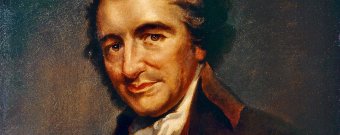
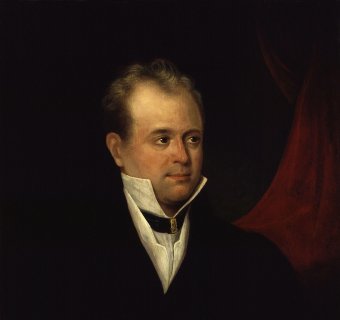
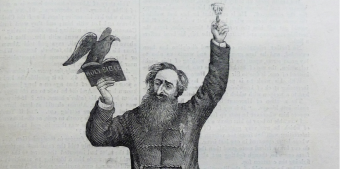
Inspiration came from early freethinkers. The most important of these was Thomas Paine, whose pioneering Rights of Man changed the way ordinary people thought about politics and their place in society. Also of importance was Richard Carlile, who went to jail for nine years for publishing Paine's The Age of Reason, a trenchant critique of the Bible. Later leading figures included Robert Owen, George Jacob Holyoake — who first coined the word 'secularism' — and our first President, Charles Bradlaugh. These freethinkers often stood at the forefront of radical and reformist movements, which gained strength in the 19th century.
The Society's early years
British secularism was essentially a working-class movement strongly influenced by the French revolution. In the mid Nineteenth Century the secularist movement was widespread, with many local society's being founded. However the radical and freethought leadership was fragmented and, in Bradlaugh's opinion, insufficiently positive.
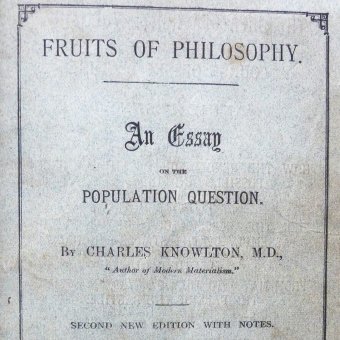
This would change with the founding of the National Secular Society in 1866. However deep divisions would remain, between opponents and supporters of birth control, and between those dedicated to challenging the Church's abuse of temporal power, and those dedicated to challenging its very existence.
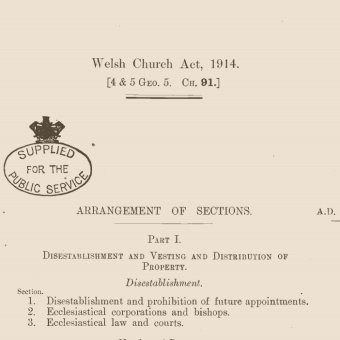
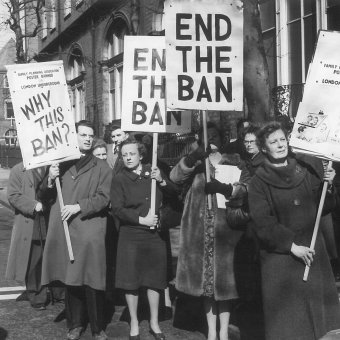
The 20th century
Find out more

While you're here
We've achieved some remarkable victories over the last 150 years, and our society has become fairer, more equal and more secular. But there are still huge challenges ahead. Will you help us continue our work?